1. Habitat Loss and Fragmentation:
* Concrete jungles: The expansion of cities leads to the destruction of natural habitats like forests, wetlands, and grasslands, replacing them with concrete and asphalt.
* Isolated patches: Remaining natural areas become fragmented, isolating wildlife populations and reducing biodiversity. This can lead to inbreeding, making species more vulnerable.
* Loss of ecosystem services: The loss of natural habitats disrupts crucial ecosystem services like pollination, water purification, and carbon sequestration.
2. Pollution:
* Air pollution: Cities are major sources of air pollution from vehicle emissions, industrial activities, and energy production. This contributes to respiratory problems, climate change, and acid rain.
* Water pollution: Runoff from urban areas carries pollutants like fertilizers, pesticides, and sewage into water bodies, impacting aquatic life and water quality.
* Noise pollution: Constant noise from traffic, construction, and industrial activity can disrupt wildlife behavior and create stress for humans.
* Light pollution: Excessive artificial light at night disrupts the natural day-night cycle, impacting wildlife behavior, migration, and plant growth.
3. Heat Island Effect:
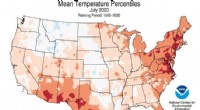
* Urban heat: Cities absorb and retain more heat than natural areas, creating an urban heat island effect. This leads to higher temperatures, increased energy consumption, and heat-related health issues.
* Altered microclimate: The urban heat island effect alters local weather patterns, impacting precipitation, wind speed, and cloud formation.
4. Resource Consumption:
* Water usage: Urban areas have high water demands for drinking, sanitation, and irrigation, putting strain on water resources, especially during droughts.
* Energy consumption: Cities consume vast amounts of energy for transportation, heating, cooling, and lighting, contributing to greenhouse gas emissions.
* Waste generation: Urban populations generate large amounts of waste, creating landfill problems and pollution.
5. Invasive Species:
* Introduction: Urban areas can introduce non-native species, which may outcompete native species and disrupt ecosystem balance.
* Spread: Cities can act as hubs for the spread of invasive species, impacting natural areas beyond urban boundaries.
Mitigating the Impacts:
While urban ecosystems have their drawbacks, many steps can be taken to minimize their negative impacts:
* Sustainable urban planning: Emphasize green spaces, walkable communities, and efficient infrastructure.
* Renewable energy: Promote solar, wind, and geothermal energy to reduce carbon emissions.
* Waste management: Implement recycling and composting programs to reduce landfill waste.
* Green roofs and walls: Use vegetation to cool buildings, absorb rainwater, and provide habitat.
* Wildlife corridors: Connect fragmented natural areas to facilitate wildlife movement and gene flow.
By recognizing and addressing these environmental challenges, we can strive to create more sustainable and environmentally friendly urban ecosystems.