For Plants:
* Temperature: Plants have specific temperature ranges they can tolerate.
* Warm temperatures: promote rapid growth and photosynthesis in tropical plants.
* Cold temperatures: allow for dormancy in deciduous trees, while coniferous trees thrive in colder climates.
* Extreme temperatures: can lead to stress, damage, or even death.
* Precipitation: Water is essential for plant growth.
* High rainfall: leads to lush forests and abundant vegetation in rainforests.
* Dry conditions: favor the evolution of drought-resistant plants like cacti and succulents.
* Sunlight: Plants need sunlight for photosynthesis.
* High sunlight intensity: drives the growth of plants in open areas and deserts.
* Low sunlight intensity: favors plants that can thrive in shaded environments.
* Seasons: Seasonal changes influence plant growth and reproduction.
* Winter: leads to dormancy for many plants in temperate climates.
* Spring: triggers the flowering and fruiting of many plants.
For Animals:
* Temperature: Animals are also adapted to specific temperature ranges.
* Warm climates: favor cold-blooded animals like reptiles and amphibians.
* Cold climates: favor warm-blooded animals like mammals and birds.
* Extreme temperatures: can lead to overheating or hypothermia, impacting survival.
* Precipitation: Water is essential for animal survival.
* High rainfall: provides water sources and supports diverse animal life.
* Dry conditions: lead to adaptations like water conservation and nocturnal activity.
* Food availability: Climate influences plant growth, which in turn affects the availability of food for herbivores.
* Abundant rainfall: provides ample food for herbivores.
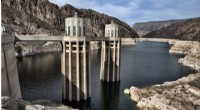
* Droughts: can lead to food scarcity and competition for resources.
* Shelter and nesting: Climate influences the type of shelter animals need.
* Warm climates: animals may need shade or burrows for protection.
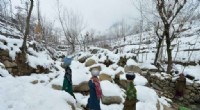
* Cold climates: animals may need thick fur or burrows for insulation.
* Migration patterns: Many animals migrate to find better food sources, breeding grounds, or suitable climates.
Climate change:
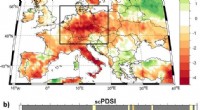
Climate change is altering the climate patterns, impacting plants and animals in significant ways:
* Shifts in distribution: species are moving to more suitable areas, leading to potential range shifts and species interactions.
* Changes in phenology: plant and animal life cycles (like blooming or migration) are happening earlier or later, disrupting ecosystems.
* Increased stress: extreme weather events and changing temperatures can lead to stress, disease, and mortality.
Overall, climate plays a central role in shaping the biodiversity and ecological processes on Earth. Understanding how climate influences plant and animal life is essential for conservation efforts and mitigating the impacts of climate change.