Here's a breakdown:
* Ecosystem: An ecosystem is a community of living organisms (plants, animals, fungi, bacteria) in a specific geographic location, along with all the non-living components of that environment (like air, water, soil, sunlight).
It's like a giant interconnected web where every part plays a role in maintaining the balance of the whole.
Examples of ecosystems include:
* Forests: Trees, animals, insects, soil, sunlight, and rainfall all interact.
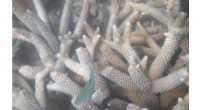
* Oceans: Fish, coral reefs, algae, plankton, currents, and the ocean floor are all part of the ecosystem.
* Grasslands: Grasses, grazing animals, predators, soil, and wind work together.
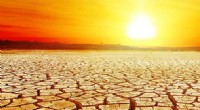
* Deserts: Cacti, reptiles, insects, sand, and extreme temperatures form a distinct ecosystem.
Let me know if you want to know more about specific ecosystems or how they work!