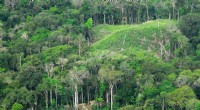
1. We haven't discovered them all. Scientists estimate that we've only discovered about 20% of all species on Earth. There are still countless species out there, particularly among insects, microorganisms, and creatures living in deep oceans or rainforests.
2. Defining "most" is tricky. Do we mean most in terms of:
* Total number of individuals? If so, insects win by a landslide.
* Biomass? Plants would likely be the most abundant.
* Diversity of species? Again, insects have the most diverse range of species.
* Ecological impact? It's hard to quantify this, but some species like bacteria or phytoplankton have a huge impact on our planet's ecosystems.
However, based on current knowledge, these are some groups that are likely to be among the most abundant:
* Insects: They are by far the most diverse group of animals, with millions of species.
* Bacteria: These microscopic organisms are found everywhere and play a crucial role in many ecosystems.
* Plants: They make up the bulk of the world's biomass, contributing to the oxygen we breathe and providing food for many other species.
* Fungi: These organisms are important decomposers and play a significant role in nutrient cycling.
Ultimately, there is no simple answer to the question of which species are "most" abundant. It depends on how you define "most" and what criteria you use to measure it.