Pioneer Species:
* First to arrive: These are hardy organisms like lichens, mosses, and certain bacteria.
* Role: They break down rock, creating soil, and begin to trap nutrients. They can survive harsh conditions with little to no soil.
Early Colonizers:
* Appear after pioneer species: Grasses, ferns, and some hardy shrubs are common.
* Role: They further develop the soil, adding organic matter and increasing the ability to hold water.
Intermediate Species:
* As soil develops: Trees and other larger plants begin to appear, like pine trees or fast-growing shrubs.
* Role: They create shade and increase biodiversity, attracting more animals.
Climax Community:
* The final stage: A stable community with a complex mix of plants and animals, like a hardwood forest or a prairie.
* Role: This community remains relatively stable, with a balance of species and resources.
Important Note: This is a simplified view, and the specific organisms that appear will depend on factors like climate, geographic location, and the nature of the disturbance.
Here are some examples:
* Volcanic eruption: Lichens will be the first to colonize the bare lava rock. Over time, grasses and shrubs will appear, eventually giving way to trees and a more diverse forest.
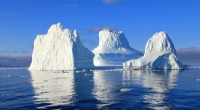
* Glacier retreat: Lichens and mosses colonize the exposed rock and soil, followed by grasses and shrubs. Eventually, a boreal forest may emerge, depending on the location.
The timeline for this process can be extremely long, ranging from decades to centuries, depending on the severity of the disturbance and the environmental conditions.