Trees:
* Conifers: Evergreens like pine, spruce, fir, and cedar are well-adapted to cold climates. Their needle-like leaves reduce water loss and their cone shape allows snow to slide off easily.
* Larch: This deciduous conifer loses its needles in winter, but its unique adaptations make it a successful cold-weather tree.
* Birch: Some birch species, like the paper birch, can withstand frigid temperatures.
* Aspen: These fast-growing trees are common in cold, mountainous regions.
Shrubs:
* Willow: Many willow species are found in high altitudes and cold climates.
* Heather: This hardy shrub can be found in cold, mountainous areas.
* Blueberry: Some blueberry varieties are well-suited to cold climates.
* Cranberry: This low-growing shrub thrives in cold, boggy environments.
Herbs and Flowers:
* Arctic Poppy: This vibrant flower blooms in the short Arctic summer.
* Arctic Willow: A dwarf willow species that grows close to the ground.
* Saxifrage: These small, flowering plants are commonly found in rocky, alpine environments.
* Moss: Various types of moss thrive in cold, humid climates.
Other Adaptations:
* Shallow root systems: This allows plants to access nutrients and water in frozen soil.
* Thick, waxy coatings: These prevent water loss and protect against freezing temperatures.
* Underground storage organs: Plants store nutrients and energy in bulbs, rhizomes, and tubers to survive the harsh winter months.
Examples of Cold Climates:
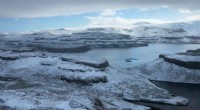
* Arctic Tundra: This biome is characterized by permafrost, extremely cold temperatures, and limited plant life.
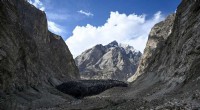
* Alpine Tundra: This ecosystem occurs at high altitudes on mountains and has similar conditions to the Arctic tundra.
* Boreal Forests (Taiga): These vast coniferous forests cover large portions of northern latitudes.
The specific plants found in a particular cold region will depend on the climate, soil conditions, and other environmental factors.