1. Individual: This is the most basic level, consisting of a single organism. It is the fundamental unit of an ecosystem. Examples: a single tree, a fish, a bird, or a bacterium.
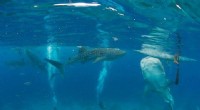
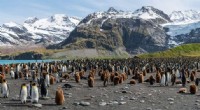
2. Population: This is a group of individuals of the same species living in the same area at the same time. They interact with each other and compete for resources. Examples: a population of oak trees, a school of fish, a flock of birds, or a colony of bacteria.
3. Community: This is a group of different populations of plants and animals living and interacting within the same area. They interact through predation, competition, symbiosis, and other relationships. Examples: a forest community with trees, birds, insects, mammals, and fungi, a coral reef community with diverse fish, corals, and invertebrates.
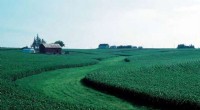
4. Ecosystem: This is the highest level of organization in an ecosystem. It includes all the living organisms (biotic factors) in a given area, as well as the non-living components (abiotic factors) like water, air, soil, sunlight, and temperature. These factors interact and create a self-sustaining system where energy flows and nutrients cycle. Examples: a tropical rainforest ecosystem, a desert ecosystem, a freshwater lake ecosystem.
5. Biosphere: This is the largest level, encompassing all the ecosystems on Earth. It is the sum of all living things and their interactions with the physical environment.
It's important to remember that these levels are interconnected and dependent on each other. A change at one level can have ripple effects throughout the entire system.