Effects on Populations:
* Early Stages:
* Pioneer Species: The first species to colonize a barren area (like a volcanic rock or a cleared field) are often small, fast-growing, and tolerant of harsh conditions. These "pioneer species" typically have high reproductive rates and can rapidly increase their population size.
* Limited Resources: Early stages have limited resources, leading to competition for food, light, and space. This can result in fluctuations in population sizes as some species thrive while others struggle.
* Mid Stages:
* Increased Complexity: As succession progresses, the environment becomes more complex, with increased soil depth, organic matter, and biodiversity. This supports a wider range of species, including larger, slower-growing organisms.
* Population Dynamics: Population sizes of different species stabilize as competition for resources becomes more balanced.
* Late Stages:
* Climax Community: The final, stable stage of succession is known as a climax community. Here, populations of species reach a dynamic equilibrium, with birth and death rates roughly equal.
* Steady State: Population sizes tend to be relatively stable, although fluctuations can occur due to natural events or disturbances.
Effects on Species Diversity:
* Early Stages: Species diversity is low in early stages, dominated by a few pioneer species.
* Mid Stages: Species diversity increases significantly as new species arrive and establish themselves. This is due to the increasing complexity of the environment, providing more ecological niches for different species.
* Late Stages: Species diversity reaches a peak in the climax community. The complex ecosystem supports a wide range of species, each filling a specific niche.
Key Points to Remember:
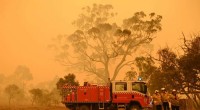
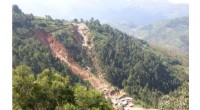
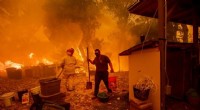
* Disturbance: Succession can be disrupted by natural disturbances such as fires, floods, or storms. These disturbances can set the process back to an earlier stage, leading to changes in population sizes and species diversity.
* Types of Succession: There are two main types of succession: primary (on newly formed land) and secondary (following a disturbance). The rate and trajectory of succession can vary significantly between these types.
* Human Impact: Human activities like deforestation, pollution, and urbanization can significantly alter natural succession, leading to changes in population dynamics and biodiversity.
In summary, ecological succession is a dynamic process that drives changes in population sizes and species diversity. It leads to a gradual shift from simple, low-diversity communities to more complex, diverse ecosystems over time.