However, it might be used in certain contexts to describe:
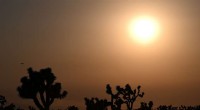
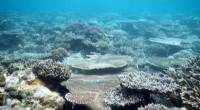
* Species that are foundational to an ecosystem: This could refer to species that are essential for the functioning of an ecosystem, like keystone species. For example, a primary species in a forest might be a tree species that provides habitat and food for many other organisms.
* Species that are at the base of a food web: This would refer to primary producers, such as plants or algae, which are the first organisms to capture energy from the sun.
* Species that were the first to evolve in a particular lineage: This could refer to ancestral species that gave rise to other species within a group.
To clarify what "primary species" means, it's crucial to understand the context in which the term is being used.
If you can provide more information about where you encountered this term, I might be able to give you a more precise explanation.