Climate:
* Temperature: Forests have a wide range of temperature variations, from cold boreal forests to warm tropical rainforests.
* Sunlight: The amount of sunlight reaching the forest floor varies depending on the density of the canopy and the season.
* Precipitation: Rainfall and snowfall patterns greatly influence the types of trees and other organisms that can thrive in a forest.
* Wind: Wind can influence tree growth, spread seeds, and create microclimates within the forest.
Soil:
* Soil type: Different types of soil (e.g., clay, loam, sand) influence the water-holding capacity, nutrient availability, and the kinds of plants that can grow.
* Soil pH: The acidity or alkalinity of the soil affects the availability of nutrients and the growth of specific plants.
* Soil fertility: The amount of nutrients (e.g., nitrogen, phosphorus, potassium) in the soil determines the overall health of the forest ecosystem.
Water:
* Availability: The amount of water available in the soil and atmosphere influences the types of trees and other organisms that can live there.
* Water quality: The purity of water in streams and rivers within the forest can impact the health of aquatic organisms and the overall ecosystem.
Other Factors:
* Elevation: Elevation affects temperature, precipitation, and the type of vegetation found in a forest.
* Slope: The slope of the land can influence water drainage and the distribution of different plant species.
* Geology: The underlying rock formations can influence soil type and water availability.
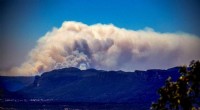
* Fire: Fire is a natural part of many forest ecosystems and can have significant impacts on plant and animal communities.
* Human Impacts: Human activities such as deforestation, pollution, and climate change can have significant impacts on abiotic factors within a forest ecosystem.
These are just some of the abiotic factors that characterize a forest ecosystem. The specific combination of these factors will vary depending on the location and type of forest. It's important to understand how these factors interact and influence the biodiversity and health of the forest.