1. Tropical Rainforests:
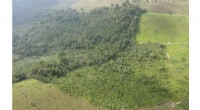
* Characteristics: High rainfall (over 2000 mm annually), warm temperatures, and high humidity.
* Flora: Dense canopy of tall trees with diverse understory vegetation.
* Fauna: Rich biodiversity, including numerous insects, amphibians, reptiles, birds, and mammals.
* Examples: Amazon rainforest, Congo Basin rainforest, Southeast Asian rainforests.
2. Temperate Rainforests:
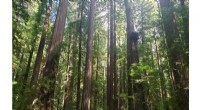
* Characteristics: Moderate temperatures with high rainfall (over 2000 mm annually), often with fog and cloud cover.
* Flora: Large evergreen trees like Douglas fir, redwoods, and Sitka spruce, with abundant mosses and ferns.
* Fauna: Diverse range of birds, mammals, amphibians, and invertebrates.
* Examples: Pacific Northwest of North America, Chile, New Zealand.
3. Cloud Forests:
* Characteristics: Occur at high elevations, often with low-lying clouds and high humidity, leading to frequent mist.
* Flora: Epiphytes (plants that grow on other plants), mosses, and ferns are common.
* Fauna: Adapted to cool, moist environments with a diverse range of birds and amphibians.
* Examples: Andes Mountains, Central America, Madagascar.
4. Montane Forests:
* Characteristics: Occur in mountainous regions with high rainfall and varied temperatures depending on elevation.
* Flora: Diverse range of trees and shrubs, adapted to different altitudes and climate conditions.
* Fauna: Birds, mammals, and reptiles adapted to the cool, mountainous environment.
* Examples: Himalayas, Alps, Rocky Mountains.
5. Mangrove Forests:
* Characteristics: Found in coastal areas with high rainfall and tidal influence.
* Flora: Mangrove trees, salt-tolerant and adapted to fluctuating water levels.
* Fauna: Rich biodiversity including fish, crabs, birds, and reptiles.
* Examples: Coastal areas of tropical and subtropical regions around the world.
6. Wetlands:
* Characteristics: Areas saturated with water for at least part of the year.
* Flora: Diverse range of plants, including grasses, sedges, reeds, and trees, adapted to wet conditions.
* Fauna: Rich in amphibians, reptiles, birds, and mammals that thrive in aquatic environments.
* Examples: Swamps, marshes, bogs, and floodplains.
7. High-Altitude Meadows:
* Characteristics: Occur above the tree line, with high rainfall and cold temperatures.
* Flora: Grasses, wildflowers, and alpine plants adapted to harsh conditions.
* Fauna: Adapted to cold climates, including marmots, pikas, and birds.
* Examples: Tibetan Plateau, Andes Mountains, Alps.
These are just some examples, and there is significant variation within each ecosystem type. It's important to remember that high precipitation is just one factor that shapes the diversity of ecosystems. Other factors like temperature, soil type, and elevation also play a crucial role.