* Pioneer Species: These are the first organisms to colonize a barren or disturbed habitat. They are hardy and can survive in harsh conditions with limited resources. Mosses and ferns excel in this role because:
* Tolerance: They can grow in poor soil, low light, and often on bare rock.
* Spore Production: They reproduce via spores, which can be easily dispersed by wind and establish new colonies.
* Soil Building: Their growth and decay contribute to soil formation, making the environment more suitable for other species.
* Climax Community: This is the final, stable stage of ecological succession. It's characterized by diverse and complex ecosystems with well-established species. Mosses and ferns are rarely the dominant species in a climax community because they tend to be outcompeted by larger plants as soil development and sunlight availability increase.
Examples:
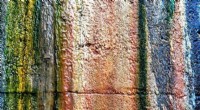
* Bare rock: Mosses and ferns are among the first to colonize bare rock, breaking it down and providing the foundation for other plants to grow.
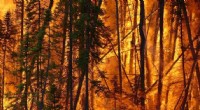
* Forest fires: After a forest fire, mosses and ferns may quickly recolonize the burnt area, paving the way for the eventual return of trees.
Exceptions:
While mosses and ferns are generally considered pioneer species, there are some exceptions. In specific environments, they can be part of a climax community. For example, in certain bog habitats, sphagnum moss can form a dominant layer and create a unique and stable ecosystem.
In summary: Mosses and ferns are typically classified as pioneer species due to their ability to colonize harsh environments and contribute to soil development. However, in specific ecological niches, they can also play a role in climax communities.