1. Population
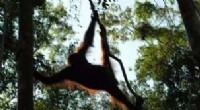
* Definition: A group of individuals of the *same species* living in the same area at the same time.
* Example: A herd of deer in a forest.
* Focus: Interactions *within* a species, such as competition for resources, mating, and disease spread.
2. Community
* Definition: All the *different populations* of organisms (different species) living and interacting in a particular area.
* Example: All the plants, animals, fungi, and bacteria living in a forest.
* Focus: Interactions *between* different species, such as predation, competition, parasitism, and symbiosis.
3. Ecosystem
* Definition: A community of living organisms (biotic factors) and their non-living environment (abiotic factors) interacting as a system.
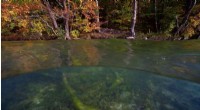
* Example: A forest, a lake, a desert.
* Focus: The flow of energy and the cycling of matter within the environment, including interactions between living organisms and the physical environment (sunlight, water, soil, temperature, etc.).
4. Biosphere
* Definition: The sum of all ecosystems on Earth, including all living things and their physical environment.
* Focus: Global processes such as the movement of air and water, the cycling of nutrients, and the effects of human activity on the planet.
In simpler terms:
* Population: One type of creature in one place.
* Community: Lots of different creatures in one place.
* Ecosystem: Those creatures and their environment.
* Biosphere: The whole living world.
Think of it like a nesting doll: the biosphere contains many ecosystems, which contain many communities, which contain many populations.