Here are some of the plants you might find in the Arctic and Antarctic:
Arctic:
* Lichens: These are a symbiotic combination of fungi and algae, and are some of the most common plants in the Arctic. They can withstand extreme cold and drought and play a crucial role in the ecosystem.
* Mosses: Similar to lichens, mosses thrive in cold and damp environments. They provide important cover for small animals and help regulate the soil.
* Dwarf shrubs: These low-growing shrubs, such as arctic willow, bearberry, and crowberry, have adapted to the harsh climate by keeping their leaves close to the ground.
* Arctic wildflowers: These are often colorful and vibrant, adding a splash of life to the barren landscape. Examples include Arctic poppy, forget-me-not, and saxifrage.
* Grasses and sedges: These hardy plants are common in the Arctic tundra and provide important food sources for grazing animals.
Antarctic:
* Mosses and lichens: Similar to the Arctic, mosses and lichens are the most abundant plant life in the Antarctic.
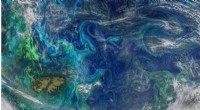
* Algae: Algae thrive in the cold, nutrient-rich waters surrounding Antarctica, forming the base of the marine food chain.
* Tussock grasses: These are small, tough grasses that are able to survive in the harsh Antarctic conditions.
General Adaptations:
* Low-growing: Plants in polar regions tend to be low-growing to avoid exposure to strong winds and cold temperatures.
* Hairy leaves: Many polar plants have hairy leaves which help insulate them from the cold and reduce water loss.
* Fast growth cycles: Some plants have adapted to the short growing season by having rapid growth cycles.
* Ability to photosynthesize in low light: Polar plants have evolved to be efficient at photosynthesis even in low light conditions.
It is important to note that the specific plants found in each polar region will vary depending on the specific location and climate. However, the plants described above are just a few examples of the remarkable diversity and resilience of life in these extreme environments.