Temperate Forests:
* Climate: Experience distinct seasons with warm summers and cold winters. Precipitation is evenly distributed throughout the year.
* Plant Life: Dominated by deciduous trees (lose leaves in autumn) like oak, maple, and beech. Evergreen conifers are also present in some regions.
* Animal Life: Diverse range of mammals, birds, reptiles, and amphibians. Some species hibernate during winter.
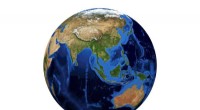
* Location: Found in mid-latitude regions like North America, Europe, and Asia.
Equatorial Forests:
* Climate: Hot and humid year-round, with high rainfall. Little seasonal variation.
* Plant Life: Characterized by tall, dense, evergreen trees forming a multi-layered canopy. Rich biodiversity with a wide variety of plants, including epiphytes and vines.
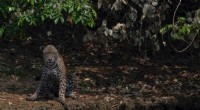
* Animal Life: Extremely diverse, with a high density of species, including monkeys, jaguars, parrots, and insects.
* Location: Located near the equator, primarily in South America (Amazon Rainforest), Africa (Congo Basin), and Southeast Asia (Borneo).
Here's a table summarizing the key differences:
| Feature | Temperate Forest | Equatorial Forest |
|--------------|-------------------|--------------------|
| Climate | Distinct Seasons | Hot and Humid |
| Precipitation| Evenly Distributed| High Rainfall |
| Trees | Deciduous, Conifers | Evergreen, Dense |
| Biodiversity | Moderate | Very High |
In summary:
* Temperate forests are adapted to seasonal change, while equatorial forests thrive in a consistently warm and wet environment.
* These contrasting climates lead to significant differences in plant and animal life, resulting in distinct ecosystems.