1. The Trigger: Shortening Day Length: As days grow shorter in autumn, trees sense this change. This decrease in daylight hours is the primary trigger for leaf drop.
2. Hormones at Work: The shorter days cause the production of a plant hormone called abscisic acid (ABA). ABA travels through the tree and triggers a chain reaction:
* Chlorophyll Breakdown: ABA causes the green chlorophyll in leaves to break down, revealing the yellow, orange, or red pigments that were already present.
* Cell Wall Changes: The cells at the base of the leaf stalk (petiole) begin to produce a special layer called the abscission layer. This layer weakens the connection between the leaf and the branch.
3. The Leaf Falls: The combination of the abscission layer and the weakened petiole eventually causes the leaf to detach from the tree. The wind often helps this process along.
4. Preparing for Winter: Leaf drop allows the tree to conserve energy during the winter months. By shedding leaves, the tree reduces its surface area, minimizing water loss through transpiration.
Other Factors:
* Temperature: Cold temperatures can also contribute to leaf drop.
* Water Availability: Drought conditions can also trigger leaf drop as a way to conserve water.
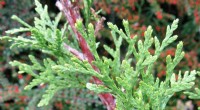
Important Note: Not all trees drop their leaves. Evergreen trees, like pine and fir, retain their leaves year-round. They have adaptations that allow them to survive the cold winter months.