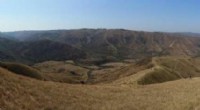
* Harsh Environment: Mountains have a harsh environment with cold temperatures, strong winds, and limited growing seasons. These factors make it difficult for trees to grow tall.
* Limited Sunlight: As you go higher in elevation, the amount of sunlight decreases. Trees need sunlight to photosynthesize and grow, so limited sunlight can stunt their growth.
* Thin Soil: Mountain soils are often thin and rocky, making it difficult for trees to establish deep roots. Shallow roots make trees more susceptible to wind damage and make it harder to access water and nutrients.
* High Altitude Stress: The lower air pressure and oxygen levels at high altitudes can also stress trees, hindering their growth.
Adaptation:
While the short stature might seem like a disadvantage, it is actually an adaptation to the harsh mountain environment. Being short:
* Reduces Wind Resistance: Shorter trees are less susceptible to wind damage, which can be a major problem at high altitudes.
* Improves Snow Resistance: Short trees are less likely to be buried under heavy snow, allowing them to survive harsh winters.
* Enhances Ground Cover: Short trees can provide more ground cover, protecting the soil from erosion and providing habitat for other plants and animals.
Therefore, the shortness of mountain trees is not a weakness but rather a survival strategy that helps them thrive in their challenging environment.