1. Photosynthesis:
* The foundation of food webs: Sunlight is captured by plants and algae through photosynthesis. This process converts light energy into chemical energy stored in sugars, providing the basis of the ecosystem's food chain.
* Producers: These organisms (plants and algae) are known as producers because they create their own food using sunlight.
* Energy transfer: The energy from sunlight is then passed on to herbivores who consume plants, and subsequently to carnivores who consume herbivores.
2. Climate regulation:
* Temperature: Sunlight is the primary source of heat on Earth, driving climate patterns and influencing temperature variations across different ecosystems.
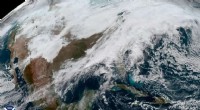
* Weather: Solar radiation impacts weather patterns such as wind, precipitation, and cloud formation.
* Seasonal changes: The angle and duration of sunlight exposure drive seasonal changes in ecosystems, influencing plant growth, animal behavior, and migration patterns.
3. Ecosystem structure:
* Plant growth: Sunlight intensity and duration determine the distribution and abundance of different plant species. Some plants thrive in full sun, while others prefer shade.
* Animal habitat: Sunlight influences the structure of habitats by affecting plant growth, which provides food and shelter for animals.
* Biodiversity: Different ecosystems with varying sunlight levels support diverse plant and animal communities, contributing to overall biodiversity.
4. Other ecological impacts:
* Vitamin D production: Sunlight is crucial for vitamin D synthesis in animals, which plays a vital role in bone health.
* Water cycle: Solar radiation drives the water cycle through evaporation, transpiration, and precipitation.
* Decomposition: Sunlight influences microbial activity involved in decomposition, breaking down organic matter and recycling nutrients.
In summary, sunlight is the driving force behind energy flow, climate regulation, ecosystem structure, and various ecological processes. Without sunlight, life as we know it on Earth would not exist.