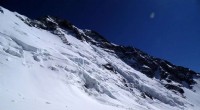
* Subalpine/Alpine Desert: This biome sits at the highest elevations on the volcano's summit, above 10,000 feet. It's characterized by:
* Sparse vegetation, including low-growing shrubs, grasses, and lichens
* Harsh, dry conditions with strong winds and low temperatures
* Unique plant adaptations to survive in the extreme environment
* The crater is a notable feature, showcasing the volcanic history of the area
* Montane Forest: Found between 6,000-10,000 feet, this biome is characterized by:
* Dense forests of native trees like ʻōhiʻa lehua and koa
* A variety of ferns, mosses, and lichens
* A cooler, wetter climate than the summit
* Dry Forest: This biome is found on the leeward slopes of the volcano, experiencing less rainfall and higher temperatures. It's characterized by:
* Trees adapted to drought conditions, such as ʻōhiʻa lehua, māmane, and koa
* Grasses, shrubs, and cacti
* A more open canopy compared to the montane forest
* Coastal Zone: This area is influenced by the ocean, showcasing a unique mix of:
* Coastal vegetation like ʻākia, naupaka, and beach morning glory
* Sandy beaches and lava flows
* Marine wildlife, including sea turtles, monk seals, and seabirds
Important Note: These biomes intergrade with each other, creating a complex and diverse ecosystem. The park's unique geology, history, and climate have resulted in an array of endemic species that contribute to its ecological richness.