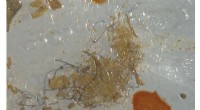
* Magnification: Compound light microscopes offer a wide range of magnification, typically from 40x to 1000x, which is ideal for viewing the diverse range of microscopic organisms found in pond water.
* Resolution: They provide good resolution, allowing you to see details of the organisms, such as their shape, structure, and movement.
* Ease of Use: Compound light microscopes are relatively affordable and easy to use, making them suitable for both educational and hobbyist purposes.
* Versatility: They can be used to observe both living and preserved specimens.
While other types of microscopes exist, they might not be as suitable:
* Stereo Microscopes: These are primarily for viewing larger objects and offer low magnification, which wouldn't be enough to see most pond water organisms.
* Electron Microscopes: These provide very high magnification and resolution but require specialized preparation techniques and are expensive, making them less practical for general pond water observation.
In summary: A compound light microscope is the most practical and effective tool for exploring the fascinating world of microscopic life in pond water.