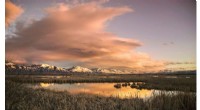
Abiotic factors are the non-living components of an environment that influence the organisms that live there. In a terrestrial environment, these factors can be broadly categorized as:
1. Climate:
* Temperature: Fluctuations in temperature across seasons and daily cycles influence plant growth, animal activity, and overall biodiversity.
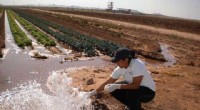
* Precipitation: The amount and distribution of rainfall, snow, or other forms of precipitation determine water availability, impacting plant life and soil composition.
* Sunlight: The intensity and duration of sunlight influence photosynthesis in plants, affecting primary productivity and the overall energy flow within the ecosystem.
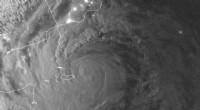
* Wind: Wind patterns can affect temperature, evaporation, and plant growth by altering the distribution of nutrients and seeds.
2. Soil:
* Composition: The type of soil, including its mineral content, texture, and organic matter, affects nutrient availability and water retention.
* pH: Soil acidity or alkalinity influences the availability of nutrients and can affect the survival of certain plants and microorganisms.
* Structure: The physical structure of the soil, such as its porosity and compaction, affects root growth, water infiltration, and aeration.
3. Topography:
* Elevation: Higher elevations generally have lower temperatures and higher precipitation, leading to unique plant and animal communities adapted to these conditions.
* Slope: The angle of the slope influences sunlight exposure, drainage patterns, and soil erosion, impacting plant distribution and animal habitat.
* Aspect: The direction a slope faces influences its microclimate. South-facing slopes are generally warmer and drier than north-facing slopes.
4. Natural Disasters:
* Fire: Wildfires can reshape the landscape by clearing vegetation and releasing nutrients into the soil, influencing plant succession and animal communities.
* Flooding: Floods can deposit sediment, alter water flow patterns, and create new habitats, impacting plant and animal populations.
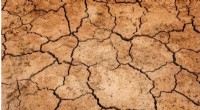
* Drought: Prolonged periods of low precipitation can stress plants and animals, potentially leading to population declines or habitat loss.
5. Other Abiotic Factors:
* Salinity: The presence of salt in soil and water can affect plant and animal survival, especially in coastal areas.
* Air Quality: The presence of pollutants in the air can negatively impact plant growth, animal health, and overall ecosystem function.
* Noise Pollution: Unnatural sounds can interfere with animal communication and behavior, impacting their survival and reproduction.
It's important to note that these abiotic factors often interact with each other, creating complex and dynamic relationships within a terrestrial environment. These interactions shape the distribution and abundance of organisms and ultimately influence the overall structure and function of the ecosystem.