* Constructive forces: These forces build up the land. Examples include:
* Volcanism: Volcanoes erupt, adding new land and creating mountains.
* Tectonic plate movement: Plates collide, creating mountains, or pull apart, creating valleys and rift valleys.
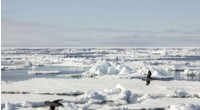
* Deposition: Rivers, wind, and glaciers carry sediments and deposit them, creating landforms like deltas, sand dunes, and moraines.
* Destructive forces: These forces break down and wear away the land. Examples include:
* Weathering: Rain, wind, ice, and temperature changes break down rocks into smaller pieces.
* Erosion: Wind, water, and ice carry away weathered rock and soil, shaping the landscape.
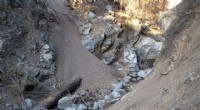
* Mass wasting: Gravity causes landslides and rockfalls, moving material downhill.
The balance between these two opposing forces determines the shape and character of a landscape. For example, a young mountain range is dominated by constructive forces, with high peaks and steep slopes. Over time, destructive forces wear down the mountains, creating gentler slopes and valleys.