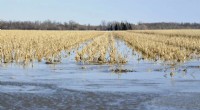
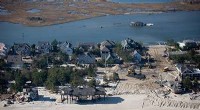
* Erosion: Wind can cause significant erosion, especially in areas with loose soil or sand. This can lead to the formation of dunes, the removal of topsoil, and the exposure of underlying bedrock.
* Plant Growth: Strong winds can damage plants in several ways:
* Physical Damage: Wind can break branches, uproot trees, and even shred leaves.
* Transpiration: Strong winds increase the rate of transpiration (water loss from plants), which can stress and even kill plants.
* Seed Dispersal: Wind is a major factor in seed dispersal for many plants, affecting where they grow and how they compete.
* Weather Patterns: Winds influence local weather patterns. They can carry moisture, causing rainfall or snow. They can also create a cooling effect or, in some cases, even contribute to desert formation.
* Landforms: Over long periods, constant wind can shape landforms, creating features like wind-blown sand dunes, sculpted rock formations, and even affecting coastal erosion.
Example:
Think of the classic example of a windswept, treeless landscape. The constant wind in these areas has eroded the soil, making it difficult for trees to establish roots and grow. This creates an environment where only wind-resistant grasses and shrubs can survive.
In conclusion, constant wind is a powerful force that significantly shapes the land and plant life in its path. It has both immediate and long-term effects, impacting the environment in numerous ways.