1. The Extent of Damage:
* Small-scale disturbances: Rainforests are constantly undergoing small-scale disturbances like tree falls. These areas are quickly colonized by opportunistic plants and the rainforest slowly returns to its previous state.
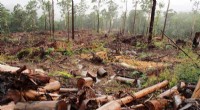
* Large-scale deforestation: This is where things get tricky. If a vast area is cleared for agriculture, mining, or logging, the soil structure can be severely damaged, and topsoil erosion can become a major issue. Without the canopy to protect the soil, it can become infertile and unable to support the complex rainforest ecosystem.
2. Climate Change:
* Drought: Increased droughts and changes in rainfall patterns disrupt the delicate balance of the rainforest. This can lead to dieback and even the complete loss of certain trees.
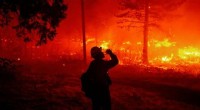
* Temperature rise: Higher temperatures can increase the risk of wildfires and make it harder for the forest to regenerate.
3. Human Intervention:
* Reforestation efforts: Planting native trees can help restore the ecosystem and accelerate the return of biodiversity.
* Sustainable land management: Implementing practices like agroforestry, where crops are grown alongside trees, can help reduce the pressure on rainforests.
* Lack of intervention: If areas are left to their own devices, they may not recover as effectively, especially if the damage was extensive.
4. The Nature of the Rainforest:
* High biodiversity: Rainforests harbor an incredible diversity of plant and animal life, which contributes to its resilience. Many species have adapted to thrive in conditions where others would struggle.
* Rapid decomposition: The abundance of decomposers in rainforests helps to break down dead material and return nutrients to the soil, which is essential for regeneration.
In summary:
Rainforests are incredibly resilient, but they are not invincible. While smaller disturbances can be overcome through natural processes, larger-scale deforestation can have long-lasting impacts. It's crucial that we focus on sustainable practices, reforestation efforts, and addressing climate change to ensure the health and future of these precious ecosystems.