1. Life Processes:
* Cellular function: Water is the primary solvent in living organisms, allowing for chemical reactions to occur within cells.
* Photosynthesis: Plants use water to convert sunlight into energy, releasing oxygen as a byproduct.
* Respiration: All living organisms, including plants and animals, rely on water for cellular respiration, which produces energy.
* Nutrient transport: Water acts as a medium to transport nutrients throughout the body of organisms and within ecosystems.
2. Ecosystem Function:
* Habitat: Water supports a vast array of ecosystems, including oceans, lakes, rivers, wetlands, and forests. These ecosystems provide habitats for countless species and contribute to biodiversity.
* Climate regulation: Water plays a crucial role in regulating the Earth's climate through its properties like evaporation, condensation, and precipitation.
* Nutrient cycling: Water acts as a carrier for essential nutrients in the environment, facilitating their movement between land, water, and organisms.
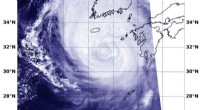
* Weather patterns: The water cycle, driven by evaporation, condensation, and precipitation, influences weather patterns, including rainfall and storms.
3. Human Needs:
* Drinking water: Humans require clean and safe water for drinking, cooking, and hygiene.
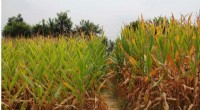
* Agriculture: Water is essential for irrigation, enabling the growth of crops and livestock production.
* Industry: Many industries rely on water for manufacturing, cooling, and other processes.
* Recreation: Water provides opportunities for recreation, such as swimming, boating, and fishing.
4. Global Challenges:
* Climate change: Water scarcity is a major consequence of climate change, impacting agriculture, human health, and ecosystems.
* Pollution: Water pollution from industrial and agricultural activities can harm aquatic life and human health.
* Resource management: Sustainable management of water resources is critical to ensuring a reliable and sufficient supply for future generations.
In summary, water is essential for life on Earth, supporting a vast array of biological processes, ecosystems, and human needs. Its crucial role in the environment highlights the importance of protecting and managing this vital resource.