Pure Carbon:
* Diamonds: The most famous form of pure carbon. They are incredibly hard and have a beautiful crystalline structure.
* Graphite: Another crystalline form of carbon, but it is soft and slippery. It's used in pencils, lubricants, and batteries.
* Fullerene: A complex form of carbon consisting of hollow spheres or tubes. These have a wide range of potential applications in nanotechnology.
* Carbon Nanotubes: Extremely thin tubes of rolled-up graphene sheets. They are incredibly strong and conductive, leading to applications in electronics and materials science.
* Amorphous Carbon: Carbon without a defined crystalline structure, found in coal and charcoal.
Carbon in Compounds:
* Carbon Dioxide (CO2): A greenhouse gas found in the atmosphere. It's produced by respiration and combustion.
* Carbon Monoxide (CO): A poisonous gas produced by incomplete combustion.
* Organic Compounds: All living things are made up of organic compounds, which are essentially carbon molecules bonded to hydrogen, oxygen, nitrogen, and other elements. These include:
* Carbohydrates: Sugars, starches, and cellulose.
* Proteins: Made of amino acids, essential for building and repairing tissues.
* Fats and Oils: Provide energy storage and insulation.
* Nucleic Acids: DNA and RNA, which carry genetic information.
Carbon Cycle:
Carbon constantly circulates through the Earth's systems. This process, known as the carbon cycle, involves the following stages:
* Photosynthesis: Plants absorb carbon dioxide from the atmosphere and convert it into organic compounds.
* Respiration: Animals and plants release carbon dioxide back into the atmosphere as a byproduct of respiration.
* Decomposition: When organisms die, decomposers break down their organic matter, releasing carbon back into the atmosphere.
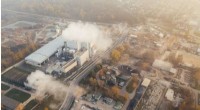
* Combustion: Burning fossil fuels like coal, oil, and natural gas releases carbon dioxide into the atmosphere.
Overall: Carbon is a crucial element that forms the basis of all life on Earth. It exists in various forms, from pure elements to complex molecules, and plays a critical role in many natural processes.