* Ecological succession is the broader term, encompassing all types of community changes, whether driven by biotic factors (living organisms) or abiotic factors (non-living components).
* Biotic succession is a more specific term, focusing specifically on the changes in the species composition of a community driven by the interactions between living organisms.
However, in practice, it's very rare to find a succession driven solely by biotic factors without any abiotic influence. Therefore, the terms are often used interchangeably.
Here's a simplified explanation:
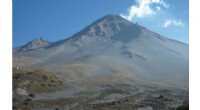
* Imagine a bare rock. Over time, it might be colonized by lichens. The lichens break down the rock, creating soil. This allows grasses to grow, followed by shrubs, and eventually trees. This is an example of ecological succession, driven by both biotic (lichen growth) and abiotic factors (rock breakdown).
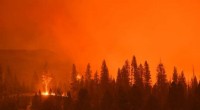
* Now imagine a forest that is disturbed by a wildfire. The fire kills off many trees, but some survive. The surviving trees, along with new seeds arriving from nearby forests, will compete for resources and change the species composition of the forest. This is an example of biotic succession, primarily driven by the interactions between living organisms.
In summary, ecological succession is the more general term, while biotic succession is a specific type of succession driven by living organisms. However, the terms are often used interchangeably, and it is important to understand that most successions are driven by a combination of both biotic and abiotic factors.