Land:
* Vast, barren deserts: Oceans and lakes would disappear, leaving behind immense, cracked and dusty plains.
* Exposed bedrock: The land would be dominated by rock formations, devoid of vegetation, with few signs of life.
* Dried-up riverbeds: Rivers and streams would become dry, dusty canyons, revealing the layers of rock and sediment they once carried.
* Cratered landscape: Without water erosion, impact craters from asteroids and meteorites would remain visible, scarring the surface.
Atmosphere:
* Much thinner atmosphere: Water vapor is a significant component of the atmosphere, and without it, the air would be much thinner.
* Extreme temperature fluctuations: Without the moderating effects of water, temperatures would fluctuate wildly between scorching hot days and freezing cold nights.
* Higher levels of carbon dioxide: Water plays a crucial role in absorbing carbon dioxide from the atmosphere. Without it, carbon dioxide levels would skyrocket, leading to a runaway greenhouse effect.
Life:
* Extremely limited: Only the hardiest and most adaptable life forms would survive in this harsh environment.
* No oceans, no aquatic life: All fish, marine mammals, and other sea creatures would disappear.
* Limited vegetation: Plants need water to survive, so most forests, grasslands, and even deserts would be devoid of greenery.
Overall:
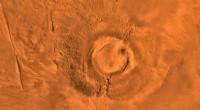
The Earth without water would be a desolate and hostile planet, resembling the surface of Mars. It would be a lifeless wasteland, devoid of the beauty and diversity that water brings to our planet.
It's important to remember that this is just a theoretical scenario. Water is essential for life as we know it, and without it, our planet would be a very different place.