Ecosystems are dynamic entities constantly responding to various factors, including seasonal variations, climate change, and succession. Here's how these three forces intertwine and shape an ecosystem:
1. Seasonal Variations:
* Direct impact: Seasonal changes in temperature, precipitation, sunlight hours, and other factors drive cyclical changes in ecosystems.
* Examples:
* Deciduous forests: Trees shed leaves in fall to conserve water during winter, regrowing in spring.
* Migration: Birds and other animals migrate to take advantage of favorable conditions.
* Reproduction: Many species reproduce during specific seasons to optimize offspring survival.
* Ecosystem regulation: Seasons influence nutrient cycles, decomposition rates, and species interactions.
2. Climate Change:
* Impact on seasonal variations: Climate change alters the intensity, timing, and duration of seasonal patterns.
* Examples:
* Warmer winters: Less snow, early spring melt, affecting species dependent on winter snowpack.
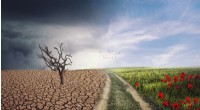
* Increased droughts: Impacting plant growth and water availability for all organisms.
* Extreme weather events: More frequent wildfires, floods, and storms disrupt ecosystems.
* Ecosystem response: Species may adapt, migrate, or face extinction due to changing climate conditions.
3. Succession:
* Definition: The gradual process of change in species composition and community structure over time.
* Types:
* Primary succession: Occurs on bare rock or sand, with pioneer species paving the way for later stages.
* Secondary succession: Occurs after a disturbance, such as fire or logging, on previously existing soil.
* Impact of climate change: Climate change can alter the trajectory and speed of succession by favoring certain species over others.
Intertwined Influences:
* Seasonal variations drive succession: Each season can create opportunities for new species to establish, leading to changes in the community.
* Climate change alters seasonal variations: Changing seasons impact the timing and intensity of successional stages.
* Succession can mitigate climate change: Certain successional stages can sequester carbon and improve resilience to climate change.
Examples:
* Boreal forests: Climate change is increasing the frequency of wildfires, leading to faster rates of secondary succession.
* Coral reefs: Warmer waters and ocean acidification disrupt the balance of coral reefs, leading to bleaching and potentially irreversible changes in community structure.
Conclusion:
Seasonal variations, climate change, and succession are interconnected forces that shape the dynamics of ecosystems. Understanding these interactions is crucial for predicting how ecosystems will respond to future changes and for developing effective strategies for conservation and management.