1. Natural Resources:
* Energy: Earth scientists study fossil fuels (oil, gas, coal) and renewable resources (wind, solar, geothermal) to ensure energy security.
* Minerals: Understanding geological formations allows us to locate and extract valuable minerals used in manufacturing, technology, and construction.
* Water: Hydrologists study water resources, ensuring access to clean drinking water and managing water for agriculture and industry.
2. Hazards and Risk Management:
* Earthquakes: Seismologists study earthquakes and their effects, allowing for building codes and early warning systems.
* Volcanoes: Volcanologists monitor volcanic activity, predicting eruptions and mitigating risks to communities.
* Weather and Climate: Meteorologists forecast weather patterns, helping us prepare for storms and extreme weather events.
* Coastal Erosion: Geomorphologists study coastlines to understand erosion and plan for coastal protection.
3. Environmental Issues:
* Climate Change: Earth scientists study the changing climate and its impacts, providing data for policy decisions and sustainable solutions.
* Pollution: Environmental scientists study air, water, and soil pollution, working to minimize harmful effects on ecosystems and human health.
* Land Use: Geographers and other earth scientists analyze land use patterns and work to develop sustainable land management practices.
4. Infrastructure and Development:
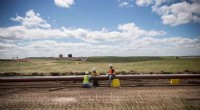
* Construction: Geotechnical engineers study soil and rock properties to ensure the stability of buildings, bridges, and other structures.
* Transportation: Earth scientists help plan and develop transportation infrastructure, considering terrain, soil conditions, and natural hazards.
* Urban Planning: Understanding the physical environment allows for better urban planning, minimizing environmental impact and creating resilient communities.
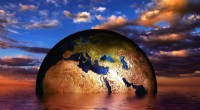
5. Understanding Our Planet:
* History: Earth scientists reconstruct Earth's past, providing insight into climate change, evolution, and past life.
* Space Exploration: Understanding Earth's processes helps us explore other planets and search for signs of life.
In essence, earth science is not just about studying rocks and minerals, but about understanding the complex processes that shape our planet and affect our lives. It is a crucial field for addressing critical issues and ensuring a sustainable future for humanity.