Here are some key factors that limit plant growth:
* Temperature: Plants have optimal temperature ranges for growth. Some thrive in hot climates, others in cold climates, and many require specific temperature fluctuations throughout the year.
* Light: Photosynthesis, the process plants use to make food, requires sunlight. While some plants can tolerate shade, most need a certain amount of light to grow.
* Water: Plants need water to absorb nutrients and transport them throughout their bodies. Too much or too little water can be harmful.
* Nutrients: Plants require specific nutrients from the soil, such as nitrogen, phosphorus, and potassium, to grow.
* Oxygen: Plants need oxygen for respiration, just like animals. While they produce oxygen during photosynthesis, they also need it to break down food for energy.
* Soil: The soil needs to be the right texture and pH to provide proper drainage, aeration, and nutrient availability.
Examples of environments where plants cannot grow:
* Deep sea: The intense pressure and lack of sunlight make it impossible for plants to survive.
* Outer space: The lack of atmosphere, water, and sunlight makes plant growth impossible.
* Highly polluted areas: High levels of pollution can damage plants and prevent them from growing.
* Extreme deserts: The lack of water and extreme temperatures make it very difficult for plants to survive.
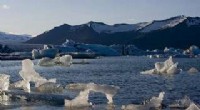
* Arctic and Antarctic regions: The extreme cold and limited sunlight make plant growth challenging.
While plants cannot grow in *any* environment, they are incredibly adaptable and have evolved to thrive in a wide variety of conditions. There are plants that can survive in deserts, rainforests, mountains, and even underwater!