Physical Elements:
* Carbon dioxide (CO2): Through photosynthesis, trees absorb CO2 from the atmosphere and convert it into sugars for growth. This is crucial for mitigating climate change.
* Water: Forests act as giant sponges, absorbing rainwater through their roots and storing it in the soil. This helps regulate water cycles and prevent flooding.
* Sunlight: Trees use sunlight for photosynthesis, the process of creating energy from light.
* Nutrients: Forests absorb nutrients from the soil, including nitrogen, phosphorus, and potassium. These nutrients are then used for growth and development.
* Noise: Forests can dampen sound waves, providing a quieter environment.
Other Things:
* Pollutants: Trees can absorb pollutants from the air, such as particulate matter and ozone.
* Heat: Forests provide shade and can help cool the environment.
* Biodiversity: Forests are home to a vast array of plants, animals, and microorganisms, creating a diverse ecosystem.
* Erosion: Tree roots help hold the soil in place, preventing erosion from wind and water.
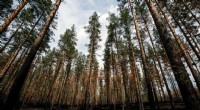
In summary, forests are vital for the environment and play a crucial role in absorbing and processing various physical elements, pollutants, and biodiversity.