1. Geology and Earth Sciences:
* Rock formations and fossils: Analyzing the composition, structure, and age of rocks and fossils provides insights into the Earth's history, processes, and evolution.
* Geophysical studies: Using methods like seismology, gravity measurements, and magnetic surveys to understand the Earth's interior structure, plate tectonics, and other processes.
* Geochemistry: Studying the chemical composition of rocks, minerals, and other Earth materials to learn about the planet's formation and evolution.
2. Observation and Monitoring:
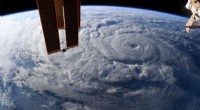
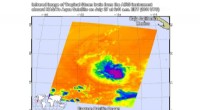
* Satellite imagery: Remote sensing provides high-resolution images and data about the Earth's surface, atmosphere, and oceans, allowing us to monitor changes, track natural disasters, and study ecosystems.
* Ground-based observations: Meteorologists, oceanographers, and other scientists collect data on weather patterns, ocean currents, and other phenomena through direct observation and instruments.
* Climate records: Studying ice cores, tree rings, and other natural archives to understand past climate changes and predict future trends.
3. Scientific Exploration and Research:
* Fieldwork: Geologists, biologists, and other scientists conduct field studies to collect data, observe natural processes, and test hypotheses.
* Laboratory experiments: Scientists use controlled experiments to study Earth processes, analyze samples, and develop new theories.
* Computer modeling: Using computer simulations to model Earth systems, predict future events, and test hypotheses.
4. History and Culture:
* Historical records: Studying historical records, maps, and other documents provides valuable information about past events, human impacts on the environment, and the evolution of our understanding of the Earth.
* Cultural knowledge: Indigenous communities often hold valuable knowledge about the Earth's resources, ecosystems, and climate patterns, passed down through generations.
It's important to note that our knowledge of the Earth is constantly evolving as new technologies emerge and scientific research advances. The combination of all these sources of information contributes to a comprehensive understanding of our planet.