1. Earth's Composition and Structure:
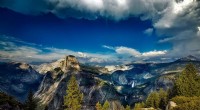
* Geology: Rocks, minerals, fossils, plate tectonics, earthquakes, volcanoes, and the Earth's interior.
* Geochemistry: The chemical composition of Earth materials and processes.
* Mineralogy: The study of minerals.
* Petrology: The study of rocks.
* Paleontology: The study of fossils and ancient life.
2. Earth's Processes and Interactions:
* Meteorology: Weather, climate, and atmospheric processes.
* Oceanography: Oceans, currents, tides, marine life, and seafloor.
* Hydrology: Water cycle, rivers, lakes, groundwater, and glaciers.
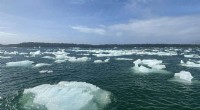
* Glaciology: Glaciers, ice sheets, and their impact on Earth's systems.
3. Earth's History and Evolution:
* Geochronology: Dating rocks and events in Earth's history.
* Paleoclimatology: Past climates and their changes.
* Biogeochemistry: The interaction of life, Earth's chemistry, and geological processes.
4. Earth's Resources and Environment:
* Environmental Geology: The impact of human activities on the Earth's environment.
* Geophysics: Using physical principles to study the Earth's interior and processes.
* Economic Geology: Exploration and extraction of natural resources.
5. Space Science:
* Planetary science: Studying other planets and celestial bodies to understand Earth's evolution and place in the universe.
In essence, Earth scientists seek to understand the Earth's history, its current state, and its future, and to apply this knowledge to address societal challenges like climate change, resource management, and natural hazards.