Nebraska, with its diverse landscape and rich history, provides a fascinating case study for understanding human-environment interactions. Here's a breakdown of key themes:
1. Agriculture and Water:
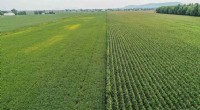
* Dependence on Water: Nebraska's agricultural success is heavily reliant on the availability of water, primarily from the Ogallala Aquifer. This vast underground source has allowed for the development of a thriving agricultural industry, but its depletion raises concerns about long-term sustainability.
* Irrigation: Extensive irrigation systems, primarily used for corn production, have significantly impacted water resources. While increasing yields, it also leads to water depletion and potential soil salinity issues.
* Land Use Change: The conversion of native prairie to farmland has significantly altered Nebraska's landscape. This has impacted biodiversity, water runoff, and soil erosion.
2. Climate Change and Adaptation:
* Drought: Nebraska has experienced increasingly frequent and severe droughts in recent years, posing challenges to agriculture and water availability. This has led to the development of drought-resistant crops, improved water management strategies, and conservation efforts.
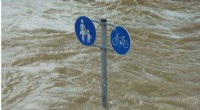
* Extreme Weather: Nebraska is also susceptible to severe weather events, including tornadoes, hailstorms, and floods. These events can cause significant damage to infrastructure and agriculture, highlighting the need for preparedness and adaptation measures.
* Climate Change Mitigation: Nebraska is exploring ways to mitigate climate change, including renewable energy sources like wind and solar power, as well as sustainable farming practices.
3. Urbanization and Infrastructure:
* Growing Cities: Cities like Omaha and Lincoln are experiencing significant population growth, leading to increased demands for housing, transportation, and infrastructure. This puts pressure on land use patterns and resource consumption.
* Development vs. Conservation: The need to balance economic development with the preservation of natural resources is a major challenge. This involves finding sustainable solutions for urban sprawl and ensuring the protection of important ecosystems like the Sandhills.
* Transportation Networks: Nebraska's transportation infrastructure, including roads, railways, and airports, is crucial for economic activity and connecting communities. However, it also contributes to air pollution and habitat fragmentation.
4. Cultural Heritage and Tourism:
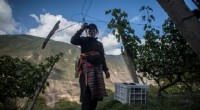
* Native American Heritage: Nebraska is home to numerous Native American tribes, whose history and culture are deeply intertwined with the land. Preserving and celebrating this heritage is crucial for understanding the region's past and present.
* Tourism: Nebraska's natural beauty, including the Sandhills, the Platte River, and the Missouri River, attracts tourists. This can bring economic benefits but also pose challenges for managing visitor impacts on sensitive environments.
* Historical Preservation: Nebraska boasts a rich history, with iconic landmarks and historical sites. Preserving these sites is important for cultural heritage and promoting tourism.
5. Sustainable Practices:
* Conservation Efforts: There are ongoing efforts to conserve Nebraska's natural resources, including the restoration of native grasslands, sustainable agricultural practices, and water conservation initiatives.
* Renewable Energy: Nebraska is developing its renewable energy sector, particularly wind power, which helps reduce dependence on fossil fuels and mitigate climate change.
* Community Engagement: Collaboration between government agencies, communities, and environmental organizations is essential for developing effective and sustainable solutions.
Overall, understanding human-environment interactions in Nebraska is essential for ensuring a sustainable future for its people and its unique environment. Addressing challenges like water scarcity, climate change, and urbanization while preserving cultural heritage and natural resources will require continued dialogue, innovation, and a commitment to responsible stewardship.