Abiotic factors are the non-living components of an environment that influence the living organisms within it. These include:
1. Soil:
* Composition: Made up of minerals, organic matter (decomposed plant and animal material), air, and water.
* Texture: Determined by the size of soil particles (sand, silt, clay).
* Structure: How the soil particles are arranged, affecting water infiltration and drainage.
* pH: Acidity or alkalinity, impacting plant growth and nutrient availability.
* Nutrient content: Essential elements for plant growth, such as nitrogen, phosphorus, and potassium.
2. Water:
* Availability: Amount of water present, crucial for plant growth and animal survival.
* Quality: Purity and chemical composition, affecting the suitability for drinking and supporting life.
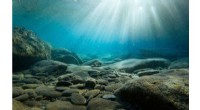
* Temperature: Influences water density, solubility of gases, and metabolic rates of organisms.
* Flow: Movement of water, impacting erosion, sedimentation, and distribution of organisms.
3. Climate Factors:
* Temperature: Average and extreme temperatures, influencing plant growth and animal adaptations.
* Precipitation: Amount and type of rainfall (rain, snow, hail), affecting water availability and plant life.
* Sunlight: Intensity and duration, crucial for photosynthesis and influencing plant distribution.
* Wind: Speed and direction, impacting temperature, evaporation, and seed dispersal.
* Humidity: Amount of water vapor in the air, affecting transpiration and evaporation.
Other Abiotic Factors:
* Altitude: Elevation above sea level, influencing temperature, atmospheric pressure, and oxygen levels.
* Latitude: Distance from the equator, affecting sunlight intensity and seasonal variation.
* Topography: Shape and elevation of the land, influencing drainage, sunlight exposure, and microclimates.
* Geology: Composition and structure of rocks and minerals, impacting soil formation and water availability.
These abiotic factors are crucial in shaping the environment and influencing the distribution, abundance, and interactions of living organisms. Understanding these non-living components is essential for ecological studies and conservation efforts.