Accelerating Erosion:
* Grazing Animals: Overgrazing by livestock can strip vegetation, leaving soil exposed and vulnerable to wind and water erosion.
* Burrowing Animals: Animals like moles, prairie dogs, and rabbits create tunnels and burrows that disrupt soil structure, making it easier for erosion to occur.
* Tree Roots: While roots generally stabilize soil, in some cases, large tree roots can disrupt slopes and create pathways for water flow, increasing erosion.
* Earthworms: While earthworms are generally beneficial, in certain situations, their burrowing can accelerate erosion on steep slopes.
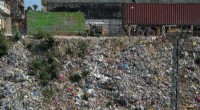
* Humans: Deforestation, agriculture, and construction can significantly increase erosion rates by removing vegetation cover and altering the landscape.
Slowing Down Erosion:
* Plants: Vegetation acts as a natural barrier against wind and water, protecting soil from erosion. Roots bind soil particles together, preventing them from being washed away.
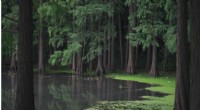
* Forests: Dense forests act as a natural buffer, slowing wind and water flow, reducing erosion. Fallen leaves and decaying wood provide organic matter that improves soil structure.
* Wetlands: Wetlands act as natural sponges, absorbing excess water and slowing its flow, reducing erosion. They also filter pollutants and sediment, preventing them from entering waterways.
* Coral Reefs: Coral reefs protect coastlines from wave action and erosion, acting as natural breakwaters.
* Microorganisms: Bacteria and fungi break down organic matter, creating humus that binds soil particles together and improves soil structure, reducing erosion.
In summary:
Living things have a complex and often contradictory effect on erosion. While some organisms can accelerate erosion, others play a crucial role in slowing it down. The net effect of living things on erosion depends on the specific species involved, the environmental conditions, and human activities.