1. Environmental Typology in Ecology:
* This refers to classifying different types of ecosystems based on shared characteristics. This can be done by:
* Habitat type: Forests, grasslands, wetlands, deserts, etc.
* Climate: Tropical, temperate, polar, etc.
* Dominant species: Oak forests, pine forests, coral reefs, etc.
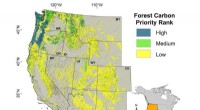
* Functional processes: Nitrogen cycling, carbon sequestration, etc.
This classification helps ecologists understand how ecosystems function, how they are interconnected, and how they are affected by environmental change.
2. Typology in Landscape Architecture and Urban Planning:
* This involves classifying and understanding different types of urban spaces and landscapes based on their function, form, and design elements. This includes:
* Urban fabric types: Grid, linear, clustered, etc.
* Open space types: Parks, plazas, streetscapes, etc.
* Building types: Residential, commercial, industrial, etc.
Understanding typologies helps in creating more functional, aesthetically pleasing, and sustainable urban environments.
3. Typology in Environmental Design and Sustainability:
* This focuses on classifying different types of environmental solutions and technologies based on their impact on the environment, energy efficiency, and sustainability. Examples include:
* Building types: Green buildings, passive houses, etc.
* Renewable energy sources: Solar, wind, geothermal, etc.
* Waste management methods: Composting, recycling, etc.
This helps identify the most effective and sustainable approaches to address environmental challenges.
4. Typology in Environmental Impact Assessment (EIA):
* This refers to classifying different types of potential environmental impacts based on their severity, probability, and significance. This allows for a more systematic and structured approach to assessing and mitigating potential risks.
In summary, typology in the environment encompasses different ways of classifying and categorizing environmental elements, systems, and impacts, enabling us to better understand, manage, and protect our environment.