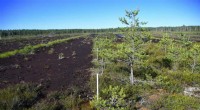
1. Environmental Sustainability:
* Conserving natural resources: Using resources responsibly, minimizing waste, and promoting resource recovery.
* Protecting biodiversity: Preserving the variety of life on Earth, including ecosystems, species, and genetic diversity.
* Mitigating climate change: Reducing greenhouse gas emissions and adapting to the impacts of climate change.
* Reducing pollution: Limiting air, water, and soil pollution to protect human and environmental health.
2. Economic Sustainability:
* Promoting fair and equitable economic systems: Ensuring that economic development benefits all people and does not exploit resources or people.
* Supporting sustainable businesses: Encouraging businesses that operate in an environmentally and socially responsible manner.
* Investing in renewable energy and sustainable technologies: Developing and using technologies that reduce environmental impacts and promote long-term economic growth.
3. Social Sustainability:
* Promoting social justice: Ensuring that all people have access to resources and opportunities, regardless of their background or location.
* Building strong communities: Creating communities that are resilient, inclusive, and supportive.
* Promoting cultural diversity: Preserving and celebrating the diversity of cultures and traditions.
Key principles of sustainability:
* Intergenerational equity: Meeting the needs of the present without compromising the ability of future generations to meet their own needs.
* Precautionary principle: Taking action to prevent potential harm to the environment, even if there is scientific uncertainty.
* Polluter pays principle: Holding polluters accountable for the environmental costs of their activities.
* Ecosystem integrity: Maintaining the health and resilience of natural systems.
In essence, sustainability in environmental science is about finding ways to live and develop in a way that balances our needs with the needs of the environment and future generations. This requires a shift from a linear model of "take, make, dispose" to a circular model of "reduce, reuse, recycle."