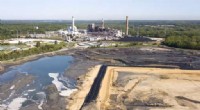
1. Construction: This is the most common meaning. Earthworks refers to the movement and manipulation of earth for construction purposes. It includes activities like:
* Excavation: Digging and removing soil to create foundations, trenches, or other structures.
* Filling: Moving soil to fill in areas, create embankments, or raise the ground level.
* Grading: Shaping and leveling the land to prepare it for construction.
* Compaction: Compressing the soil to ensure stability and prevent settlement.
2. Art: Earthworks is a form of land art where artists create large-scale installations using natural materials like earth, rocks, water, and vegetation. These pieces are often site-specific and interact with the landscape. Some notable examples include:
* Spiral Jetty by Robert Smithson
* Running Fence by Christo and Jeanne-Claude
* The Lightning Field by Walter de Maria
3. Military: Earthworks refer to defensive structures built from earth, such as:
* Trenches: Long, narrow ditches for soldiers to protect themselves from enemy fire.
* Mounds: Raised areas of earth used as firing positions or observation points.
* Fortifications: Complex systems of walls, ditches, and other structures used to defend a position.
4. Historical: Earthworks can also refer to archaeological remains of ancient fortifications and settlements built using earth as the primary material.
To understand the specific meaning of "earthworks," you need to consider the context in which it is used.