Earth's evolution is the ongoing process of change in the Earth's physical and chemical characteristics. It involves:
* Geological processes: Plate tectonics, volcanic activity, mountain building, erosion, and sedimentation constantly reshape Earth's surface and its internal structure.
* Atmospheric changes: Over billions of years, the composition of Earth's atmosphere has evolved, becoming more oxygen-rich due to the emergence of life and photosynthesis.
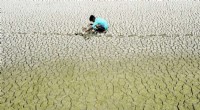
* Climate change: Earth's climate has fluctuated drastically over time, from periods of intense heat to ice ages, due to factors like solar radiation, volcanic activity, and the Earth's orbital cycles.
* Biogeochemical cycles: The movement of elements like carbon, nitrogen, and phosphorus through Earth's systems is constantly being affected by biological processes and geological events.
Biological evolution is the change in the genetic makeup of populations over time, driven by:
* Natural selection: Individuals with traits better suited to their environment are more likely to survive and reproduce, passing on those advantageous traits to their offspring.
* Genetic drift: Random changes in gene frequencies within a population can occur, especially in small populations.
* Mutation: Errors in DNA replication can introduce new genetic variations, providing raw material for evolution.
How does Earth exhibit evolution in relation to biology?
Earth's evolution has been a key driver of biological evolution:
* Plate tectonics: Continents drifting and colliding have created new environments, isolating populations and leading to speciation.
* Climate change: Fluctuations in temperature and precipitation have put pressure on organisms to adapt, leading to the evolution of new traits.
* Atmospheric changes: The increase in oxygen levels allowed for the evolution of complex life forms, like animals.
In essence, Earth's evolution provides the stage for biological evolution. While Earth changes due to physical and chemical processes, life evolves in response to those changes, creating a dynamic and interconnected system.