1. Biodiversity Hotspots:
* Mountains harbor a disproportionate amount of Earth's biodiversity, often hosting unique species found nowhere else.
* This high biodiversity is due to factors like:
* Varied habitats: Altitude changes create distinct microclimates and ecosystems, from forests at lower elevations to alpine meadows and ice fields at higher ones.
* Isolation: Mountains often act as barriers, leading to isolated populations that evolve into distinct species.
2. Water Towers:
* Mountains act as "water towers", collecting and storing rainwater and snow.
* This water feeds rivers and streams that provide drinking water for millions of people downstream.
* They also support agriculture and industries in surrounding areas.
3. Climate Regulation:
* Mountains influence regional and global climate patterns.
* Their elevation and terrain affect wind patterns, precipitation, and temperature.
* They also act as carbon sinks, absorbing and storing carbon dioxide from the atmosphere.
4. Natural Resources:
* Mountains are rich in natural resources, including timber, minerals, and hydropower.
* These resources are essential for human development and economic activity.
5. Cultural Significance:
* Mountains have deep cultural significance for many societies around the world.
* They are often seen as sacred places, inspiring art, literature, and spiritual practices.
* They also provide recreational opportunities like hiking, skiing, and climbing.
6. Ecosystem Services:
* Mountain ecosystems provide a range of essential ecosystem services, including:
* Soil formation and erosion control: Mountains are important for soil formation and preventing erosion.
* Pollination and pest control: Mountain habitats support pollinators and natural predators that contribute to agricultural productivity.
* Carbon sequestration: Mountain forests are important carbon sinks, mitigating climate change.
7. Challenges and Threats:
* Despite their importance, mountains face numerous threats, including:
* Climate change: Rising temperatures are altering mountain ecosystems, leading to glacier retreat, permafrost thaw, and changes in plant and animal communities.
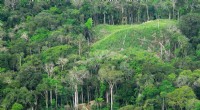
* Deforestation: Forest clearing for agriculture, logging, and development is destroying mountain habitats and reducing biodiversity.
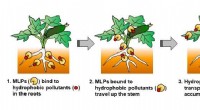
* Pollution: Air pollution from distant sources can negatively impact mountain ecosystems, leading to acid rain and other problems.
Understanding and addressing these threats is crucial for ensuring the continued health and well-being of mountain ecosystems and the people who depend on them.