Here's why:
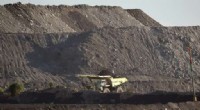
* Human-Environment Interactions: Geography examines the complex relationships between humans and the environment. This includes how human activities, such as logging, impact the land, soil, water, and biodiversity.
* Environmental Change: Geography studies the causes and consequences of environmental change, including deforestation. This includes the physical and ecological impacts of removing old-growth forests.
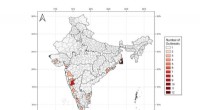
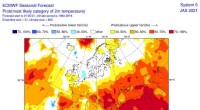
* Spatial Analysis: Geographers use maps and other spatial data to analyze the distribution and patterns of environmental change, allowing them to understand the effects of logging on the landscape.
* Human Geography: This subfield of geography focuses on how humans interact with the environment and how these interactions are shaped by social, economic, and political factors.
While other social sciences might contribute to understanding the impacts of deforestation, geography is the most directly relevant due to its focus on the relationship between humans and the natural world.