1. Ice Cores: Ice cores, drilled from glaciers and ice sheets, are like time capsules. As snow falls and compacts into ice, it traps air bubbles and dust particles. By analyzing the composition of these trapped substances, scientists can learn about past atmospheric conditions, greenhouse gas concentrations, and even volcanic activity.
2. Sediment Cores: Ocean and lake sediments, collected from the bottom, contain fossilized pollen, diatoms (single-celled algae), and other organic matter. These fossils, along with chemical and isotopic analyses of the sediment itself, provide clues about past vegetation, water temperatures, and rainfall patterns.
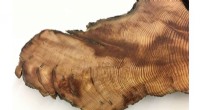
3. Tree Rings: Trees grow annually, adding a layer of wood each year. The thickness of these rings reflects the amount of rainfall and temperature during the growing season. Scientists can study tree ring patterns, known as dendrochronology, to reconstruct past climate conditions over centuries or even millennia.