What are non-living things?
Non-living things lack the characteristics of life, such as:
* Growth and development: They don't grow or change in a way that living organisms do.
* Reproduction: They don't produce offspring.
* Metabolism: They don't carry out chemical processes to obtain energy.
* Response to stimuli: They don't react to changes in their environment.
* Organization: They don't have cells or organized structures like living things.
Natural Non-Living Things
These are non-living things found in nature, often categorized by their origin:
* Minerals: Naturally occurring, solid inorganic substances with a defined chemical composition and crystal structure. Examples: quartz, diamond, gold, salt.
* Rocks: Solid materials composed of one or more minerals. Examples: granite, limestone, sandstone.
* Water: A compound essential for life, found in various states (liquid, solid, gas).
* Air: A mixture of gases, primarily nitrogen and oxygen.
* Soil: A mixture of broken-down rock, organic matter, and other components that support plant life.
* Sunlight: Electromagnetic radiation from the sun, providing energy for life.
* Weather Phenomena: Natural occurrences in the atmosphere, such as rain, snow, wind, and lightning.
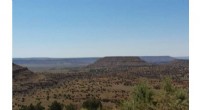
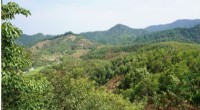
* Landforms: Natural features of the Earth's surface, such as mountains, valleys, canyons, and deserts.
* Cosmic Objects: Objects found in outer space, like planets, stars, asteroids, comets, and galaxies.
Important Note:
It's crucial to remember that the line between living and non-living can be blurry. For example:
* Viruses: While not considered "alive" in the traditional sense, they are complex structures that can replicate within living cells.
* Fossil Fuels: These are formed from the remains of ancient living organisms, but are now considered non-living.
Let me know if you have any other questions!