1. Agricultural Expansion:
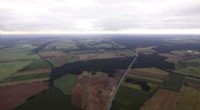
* Large-scale agriculture: Clearing forests for planting crops like soybeans, palm oil, and cattle ranching is a major driver of deforestation, particularly in tropical regions.
* Smallholder agriculture: While not as large-scale, smallholder farmers often clear forests for subsistence farming, especially in developing countries facing poverty and food insecurity.
2. Logging:
* Illegal logging: Illegal and unsustainable logging practices often exploit forests for valuable timber, causing widespread damage and contributing to biodiversity loss.
* Legal logging: Even if legal, logging can lead to deforestation if not managed sustainably, leading to habitat fragmentation, soil erosion, and loss of ecosystem services.
3. Mining and Infrastructure Development:
* Mineral extraction: Mining operations often clear vast areas of forests to access mineral resources, leading to habitat destruction and pollution.
* Road and dam construction: The development of roads and dams can fragment forests, making them more vulnerable to other forms of deforestation and degradation.
4. Urbanization and Population Growth:
* Expansion of cities and towns: As populations grow, urban areas expand, often encroaching on forest land.
* Increased demand for resources: A growing population also leads to increased demand for timber, fuelwood, and other forest products, putting pressure on forest resources.
5. Climate Change:
* Increased drought and wildfires: Climate change is increasing the frequency and intensity of droughts and wildfires, which can lead to widespread forest destruction.
* Insect outbreaks: Warmer temperatures and changes in precipitation patterns can create conditions favorable for insect outbreaks, damaging and killing trees.
6. Forest Fires:
* Human-induced fires: Forest fires are often ignited intentionally or accidentally by humans, causing significant damage to forests and ecosystems.
* Natural fires: While natural fires are part of some ecosystems, their frequency and intensity are increasing due to climate change and human activities.
The Consequences of Deforestation:
* Loss of biodiversity: Forests are home to a vast array of plant and animal species, and deforestation leads to habitat loss and extinction.
* Climate change: Forests play a critical role in absorbing carbon dioxide from the atmosphere, and deforestation contributes to climate change by releasing carbon into the atmosphere.
* Water cycle disruption: Forests regulate water cycles, and deforestation can lead to changes in rainfall patterns, increased flooding, and reduced water availability.
* Soil erosion: Forests help protect soil from erosion, and deforestation can lead to soil degradation and loss of fertility.
Addressing the Issue:
* Sustainable forest management: Implementing sustainable forest management practices can help ensure that forests are managed for long-term benefits.
* Protected areas: Establishing protected areas can help safeguard important forest ecosystems and biodiversity.
* Reforestation and afforestation: Planting trees can help restore degraded forests and mitigate climate change.
* Policy changes: Governments need to implement policies that promote sustainable forest management and reduce deforestation.
* Consumer awareness: Educating consumers about the importance of sustainable forest products can help drive demand for responsible products.
It is crucial to address the issue of deforestation through a combination of efforts, including sustainable management, conservation, and restoration. The future of our forests and the planet depends on it.