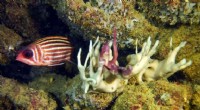
Ecology is the study of how organisms interact with each other and their environment. This includes:
* Interactions between species: Predator-prey relationships, competition, symbiosis, etc.
* Interactions within species: Population dynamics, community structure, etc.
* The flow of energy and matter: Food webs, nutrient cycles, etc.
* The impact of environmental factors: Temperature, light, water, etc.
Environmental science is a broader field that uses ecological principles to understand and address environmental problems. This includes:
* Understanding the impact of human activities on the environment: Pollution, habitat destruction, climate change, etc.
* Developing solutions to environmental problems: Sustainable practices, conservation strategies, pollution control measures, etc.
* Managing natural resources: Water, air, soil, forests, etc.
* Developing policies to protect the environment: Environmental regulations, international agreements, etc.
Here's an analogy:
* Ecology is like studying the anatomy and physiology of a human body. It focuses on how the body functions and the complex interactions within it.
* Environmental science is like using that knowledge to diagnose and treat diseases or injuries. It applies the principles of human biology to understand and solve health problems.
In essence, ecology provides the scientific framework for environmental science. By understanding the intricate workings of ecosystems, we can better understand the consequences of human activities on the environment and develop solutions to mitigate environmental problems.
Here are some examples of how ecology informs environmental science:
* Pollution: Ecologists study how pollutants affect ecosystems and organisms. This knowledge helps environmental scientists develop strategies to reduce pollution and its impacts.
* Climate Change: Ecologists study the impacts of climate change on ecosystems and biodiversity. This knowledge helps environmental scientists develop adaptation and mitigation strategies.
* Conservation: Ecologists study the factors that influence the abundance and distribution of species. This knowledge helps environmental scientists design effective conservation strategies to protect endangered species and ecosystems.
In conclusion, ecology is a fundamental science that provides the essential knowledge for environmental science to address the pressing environmental challenges we face today.