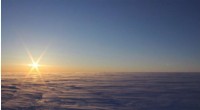
* Natural features: mountains, valleys, rivers, lakes, forests, deserts, coastlines, and more.
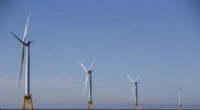
* Human-made features: buildings, roads, farms, and other constructions.
Here are some ways to think about the concept of landscape:
* Visual: A landscape is what you see when you look out at a particular area. It's the overall impression of the landforms, vegetation, and other elements.
* Geographical: A landscape is defined by its geographical location, including its climate, geology, and vegetation.
* Ecological: A landscape is a complex ecosystem with interconnected living organisms and their physical environment.
* Cultural: A landscape can hold cultural significance for a community, reflecting their history, traditions, and values.
Examples of landscapes:
* The Grand Canyon: A dramatic landscape shaped by erosion.
* The Amazon rainforest: A lush and diverse landscape teeming with life.
* The Sahara Desert: A vast and arid landscape with unique adaptations.
* The cityscape of New York: A densely populated landscape with towering buildings.
* The English countryside: A landscape characterized by rolling hills, green fields, and quaint villages.
In conclusion, a landscape is a dynamic and complex concept that encompasses both natural and human-made elements, offering a unique perspective on the world around us.