1. Employs the Scientific Method: Geographers use the scientific method to investigate the Earth's systems. They:
* Observe: Study physical and human phenomena on the Earth's surface.
* Hypothesize: Develop explanations for observed patterns and relationships.
* Experiment: Conduct fieldwork, analyze data, and use models to test hypotheses.
* Analyze: Interpret and explain the results of their research.
* Communicate: Share findings through publications, presentations, and maps.
2. Focuses on Observable Phenomena: Geography deals with tangible, measurable aspects of the Earth, such as:
* Landforms: Mountains, valleys, rivers, coastlines
* Climate: Temperature, precipitation, wind patterns
* Vegetation: Forests, grasslands, deserts
* Human Populations: Distribution, migration, demographics
* Economic Activities: Agriculture, industry, transportation
3. Utilizes Quantitative and Qualitative Data: Geographers employ a range of methods to collect and analyze data, including:
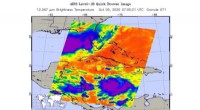
* Remote sensing: Satellite imagery, aerial photography
* Geographic Information Systems (GIS): Spatial data analysis and mapping
* Statistical analysis: Analyzing numerical data to identify trends and patterns
* Fieldwork: Direct observation and data collection in the field
* Interviews and surveys: Gathering qualitative data on human perspectives and experiences
4. Seeks to Explain Relationships and Processes: Geography aims to understand the complex interactions between:
* Physical and human systems: How climate affects human settlement patterns or how human activities impact the environment.
* Spatial relationships: How the distribution of resources or population influences economic development.
* Environmental processes: How erosion, weathering, and tectonic activity shape the Earth's surface.
5. Contributes to Societal Understanding: Geography provides valuable insights into:
* Environmental issues: Climate change, natural disasters, resource management
* Sustainable development: Balancing economic growth with environmental protection
* Human-environment interactions: How humans adapt to and modify their surroundings
* Global interconnectedness: Understanding the relationships between different regions and cultures
Therefore, geography's reliance on observation, data analysis, and the scientific method, its focus on observable phenomena, and its contribution to societal understanding solidify its status as a science.