Erosion is a natural process that involves the movement of soil, rock, and other materials from one location to another. It is caused by various factors such as:
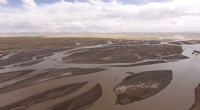
* Water: Rain, rivers, and ocean waves can all erode land.
* Wind: Strong winds can carry away loose soil and sand.
* Ice: Glaciers and frost can break down rock and transport it elsewhere.
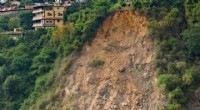
* Gravity: Gravity can pull soil and rock downhill, causing landslides and other forms of erosion.
* Human activity: Activities such as deforestation, agriculture, and construction can accelerate erosion.
Erosion can have both positive and negative impacts. While it is a natural process that shapes the Earth's landscape, it can also lead to:
* Loss of fertile soil: Eroded soil can be deposited in waterways, harming aquatic life and reducing agricultural productivity.
* Sedimentation in waterways: Eroded soil can accumulate in rivers, lakes, and reservoirs, impacting water quality and navigation.
* Damage to infrastructure: Erosion can damage roads, bridges, and buildings.
Understanding erosion is crucial for managing land resources and protecting the environment.